What the Full Moon Actually Does to Your Body — And the Rituals That Work With It
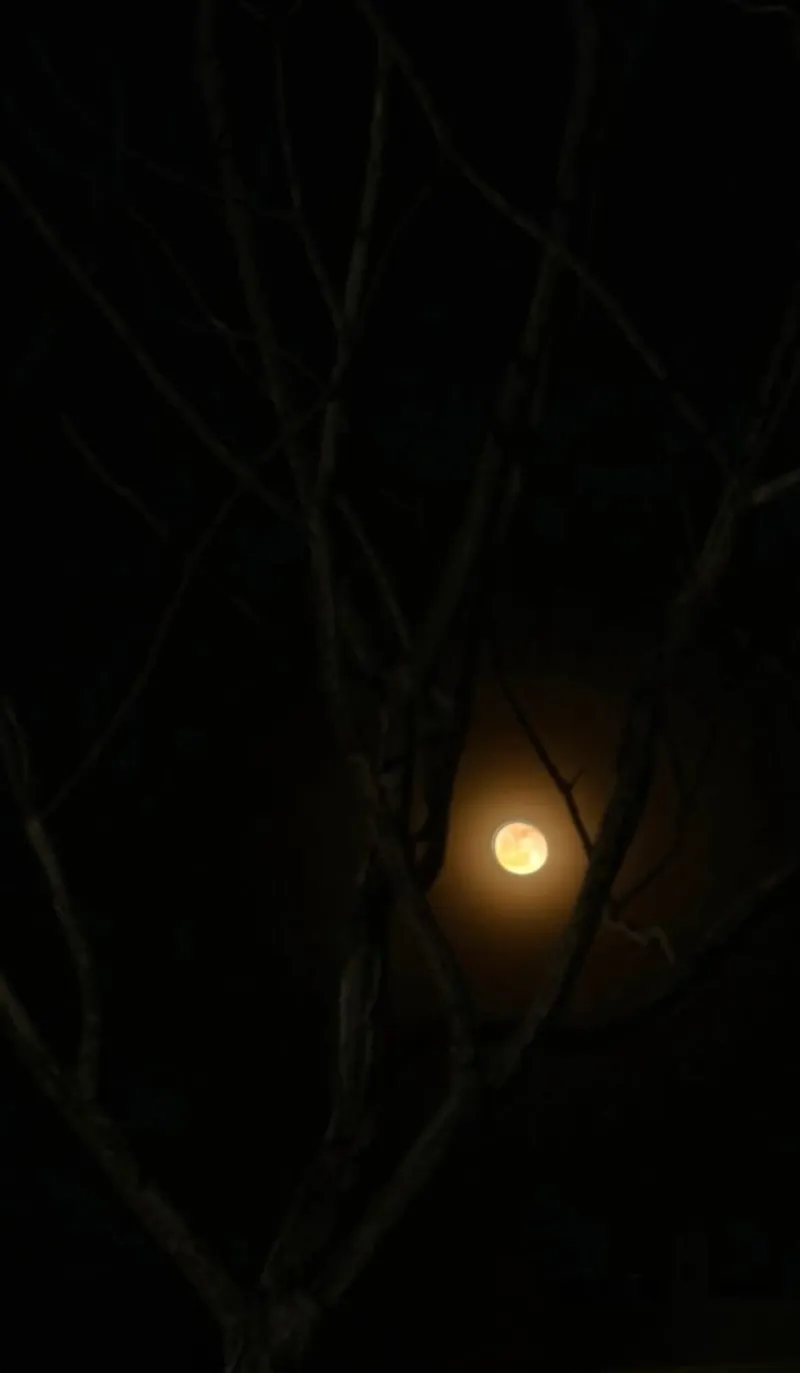
Photo: Himesh23, CC BY-SA 4.0, via Wikimedia Commons
The Moon Isn't Just a Vibe — It's a Biological Cue
Most of us grew up dismissing moon talk as folklore. Maybe your grandmother warned you not to plant tomatoes on a waning moon, or a yoga teacher once told you to journal under the full moon's light. Cute, right? But probably not real.
Except — it kind of is.
Over the last decade, researchers have started taking lunar biology seriously, and what they're finding would have surprised exactly zero traditional healers throughout human history. The full moon, it turns out, does measurable things to your body. Your sleep changes. Your hormonal rhythms shift. Your emotional landscape gets a little more turbulent. And once you understand the mechanism, the ancient rituals built around these cycles start making a whole lot more sense.
What Sleep Research Actually Shows
In 2013, a study published in Current Biology by researchers at the University of Basel rocked the sleep science world. Participants sleeping in a fully controlled lab environment — no windows, no moonlight exposure — still showed measurable changes during the full moon phase. Deep sleep dropped by 30%. Melatonin levels fell. It took participants an average of five extra minutes to fall asleep, and they slept about 20 minutes less overall.
The researchers were careful not to overstate the findings, but the implication was striking: something about the full moon phase — possibly a biological clock synced to lunar cycles over millennia of human evolution — was affecting sleep independent of direct light exposure.
More recent studies have expanded on this. A 2021 paper in Science Advances analyzed sleep data from Indigenous communities in Argentina with no electricity alongside urban dwellers in Seattle. Both groups showed the same pattern: sleep shortened and shifted later in the nights leading up to a full moon.
"The human body has been calibrated by lunar rhythms for thousands of years," says the research consensus, even if scientists are still debating the exact mechanism. What practitioners of Ayurveda, Traditional Chinese Medicine, and Indigenous healing traditions have long described as a "heightened" or "activated" state around the full moon now has a plausible biological foundation.
The Hormonal Story Nobody Talks About
Sleep disruption is only one piece. The moon-hormone connection runs deeper, particularly for people with menstrual cycles.
Anthropologists have long noted that the average menstrual cycle — roughly 29.5 days — mirrors the lunar cycle almost exactly. While modern life (artificial light, stress, irregular schedules) has largely decoupled these rhythms in many people, research published in Science Advances in 2021 found that longer cycles in some individuals still synchronized with the moon, particularly in people who spent significant time outdoors.
Beyond reproductive hormones, cortisol — your primary stress hormone — also appears sensitive to lunar phases in some studies. Elevated nighttime cortisol during the full moon phase may partly explain why so many people report feeling emotionally raw, restless, or unusually reactive in the days surrounding it.
This isn't woo. This is chronobiology meeting an ancient calendar.
What Traditional Practitioners Have Always Known
Across cultures, the full moon has been treated as a threshold moment — a time when the veil between ordinary life and something deeper thins. But strip away the metaphor, and what you find is actually a sophisticated understanding of biological amplification.
In Ayurveda, the full moon is considered a time of heightened pitta energy — fire, intensity, inflammation. Practitioners have historically recommended cooling foods, gentle movement, and reduced stimulation during this window. Sound familiar? It's essentially a protocol for managing elevated cortisol and disrupted sleep.
Many Indigenous American traditions mark the full moon with communal gathering, storytelling, and intentional rest — a cultural technology for processing the emotional amplification that comes with the phase. The ritual creates a container for feelings that might otherwise feel overwhelming.
In Traditional Chinese Medicine, the full moon corresponds to maximum yang energy, and practitioners have long recommended this as a time for release rather than accumulation — clearing what no longer serves, both physically and emotionally.
The specifics differ. The underlying wisdom is strikingly consistent.
Rituals That Work With Your Biology
So what do you actually do with all this? Here are four practices that bridge the ancient and the evidence-based.
1. The Wind-Down Ritual (Starting Three Days Before)
Because sleep disruption begins before the full moon peaks, start dimming your evenings early. This means blue-light blocking glasses after 8 PM, swapping your true crime podcast for something quieter, and dropping your thermostat. Pair this with a short body-scan meditation — just 10 minutes lying down, bringing awareness slowly from your feet to your crown. This activates the parasympathetic nervous system and helps counteract the cortisol uptick that the lunar phase may be triggering.
2. Full Moon Water Charging (With a Modern Twist)
Setting water under the full moon is a practice found in everything from Wiccan tradition to folk medicine across Latin America and Southeast Asia. The ritual version: place a glass or jar of filtered water on your windowsill or outside overnight. In the morning, drink it as part of your first meal. The actual benefit here is the intention-setting — research on mindfulness shows that deliberate, meaningful gestures around self-care behaviors increase follow-through and wellbeing. The water isn't magic. The ritual is.
3. The Release Journal
Borrowed loosely from both Ayurvedic new moon practices and modern therapeutic writing research, this one is simple. On the night of the full moon, write down everything you're carrying that feels heavy — resentment, worry, a story you keep telling yourself. Then either burn the paper safely (fire release is a widespread cross-cultural practice) or simply close the journal and say out loud: "I'm choosing to put this down." Studies on expressive writing consistently show reductions in anxiety and improved emotional processing. The full moon context just gives it a ritual frame that makes it feel — and work — differently than a regular journaling session.
4. Moonlit Grounding
If weather permits, go outside barefoot on the night of the full moon. Stand on grass, soil, or sand for at least ten minutes. This practice, known as earthing or grounding, has a modest but real body of research behind it — direct skin contact with the earth appears to reduce inflammatory markers and lower cortisol. Doing it under the full moon combines the physiological benefits of grounding with the psychological benefits of being in nature at night, which research associates with reduced rumination and heightened awe — both of which support emotional resilience.
Working With the Cycle, Not Against It
The full moon isn't a problem to manage. It's an invitation to pay attention — to your body's signals, your emotional undercurrents, and the rhythms that run beneath the surface of your daily life.
Modern life has done a remarkable job of convincing us that we exist outside of nature's cycles. Artificial light, climate-controlled environments, 24-hour schedules — we've built elaborate systems to pretend the natural world doesn't affect us. But our biology hasn't gotten the memo.
The ancient traditions that built rituals around the moon weren't being superstitious. They were being observant. And now, finally, the science is starting to agree.
Next full moon, instead of lying awake wondering why you can't sleep, try working with what your body is already doing. The rituals have been waiting.