Talking to Your Dead: The Ancient Practice of Ancestor Altars and Why It's Coming Back

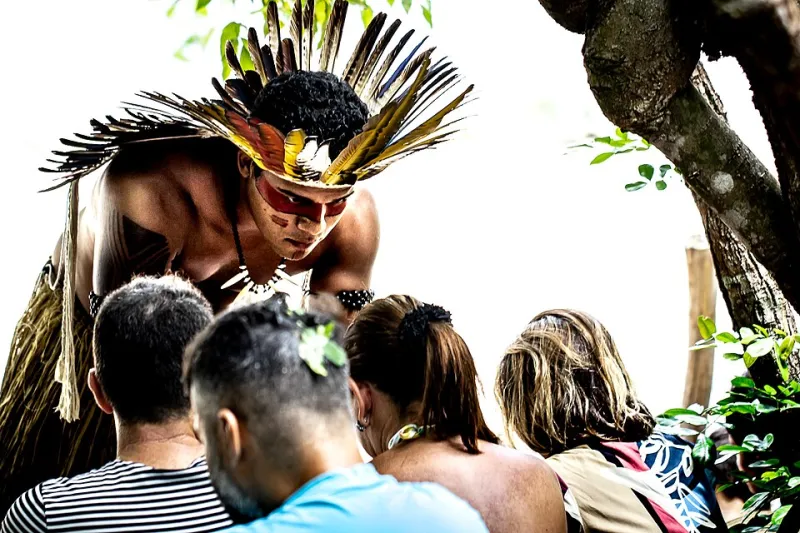
Photo by Photo by Bruno Guerrero on Unsplash on Unsplash
The Grief We Never Processed
Somewhere along the way, American culture decided that grief had an expiration date. Two weeks of bereavement leave. A few somber weeks of casseroles from neighbors. Then — back to normal. Move on. The dead are gone, and dwelling on them is, at best, a little sad and, at worst, a sign that something's wrong with you.
But here's the thing: almost every other culture on earth disagrees.
From West African Vodun traditions to Chinese Qingming festivals to the deeply beloved Día de Muertos celebrations spreading far beyond their Mexican origins, the idea that we maintain a living relationship with our ancestors is practically universal. And right now, quietly and somewhat urgently, Americans are rediscovering it.
Ancestor altars — dedicated physical spaces for honoring and communing with deceased loved ones — are showing up in Brooklyn apartments, Austin bungalows, and suburban Phoenix living rooms. Grief therapists are recommending them. Wellness practitioners are teaching workshops on them. And the people building them often say the same thing: I didn't realize how much I needed this.
What an Ancestor Altar Actually Is (And Isn't)
Let's clear something up first. An ancestor altar isn't a shrine to the dead in some spooky, haunted-house sense. It's not about summoning spirits or practicing anything dark. At its core, it's a designated space of remembrance and relationship — a place where the boundary between the living and the dead feels a little thinner, and where grief can exist alongside gratitude.
In Yoruba-derived traditions like Candomblé and Ifá, ancestor veneration — called Egúngún — is foundational to spiritual life. The Shinto practice of butsudan in Japan involves daily offerings to household ancestors. In many Indigenous American traditions, honoring those who came before is inseparable from personal identity and community healing.
The common thread? The dead don't disappear. They become a different kind of presence — one that can still offer wisdom, comfort, and continuity if we make space for them.
Why Americans Are Returning to This Right Now
Psychologists who specialize in grief, like Dr. Kenneth Doka, have long argued that Western culture practices what he calls "disenfranchised grief" — mourning that isn't socially acknowledged or supported. We've outsourced death to hospitals and funeral homes, removed it from our daily lives, and then wondered why so many of us feel unmoored after losing someone.
The pandemic cracked something open. Millions of Americans lost loved ones without proper goodbyes, without funerals, without the rituals that help us metabolize loss. That collective wound created a hunger for practices that actually hold grief rather than rushing past it.
Enter the ancestor altar.
Building one requires you to slow down, gather meaningful objects, speak out loud to someone who's gone. It externalizes the internal — makes your love and your loss visible and tangible. Therapists working in somatic and narrative traditions often describe this as "continuing bonds" work, and research increasingly supports the idea that maintaining a symbolic connection with the deceased supports healthier long-term grief outcomes.
Building Your Own Altar: A Multi-Tradition Approach
You don't need to claim any single cultural lineage to build an ancestor altar — though if you do have a specific heritage, leaning into those traditions is deeply meaningful. What follows is a framework that draws from multiple practices while remaining adaptable to your own story.
Choose Your Space
Size doesn't matter. A corner of a dresser, a windowsill, a dedicated shelf — any surface you can return to consistently works. What matters is intentionality. This space is set apart. It's not where you throw your keys.
In many traditions, the altar faces a particular direction (east toward the rising sun is common in several African and Indigenous practices). If that resonates, honor it. If not, choose a spot that feels right in your home.
Gather Your Anchors
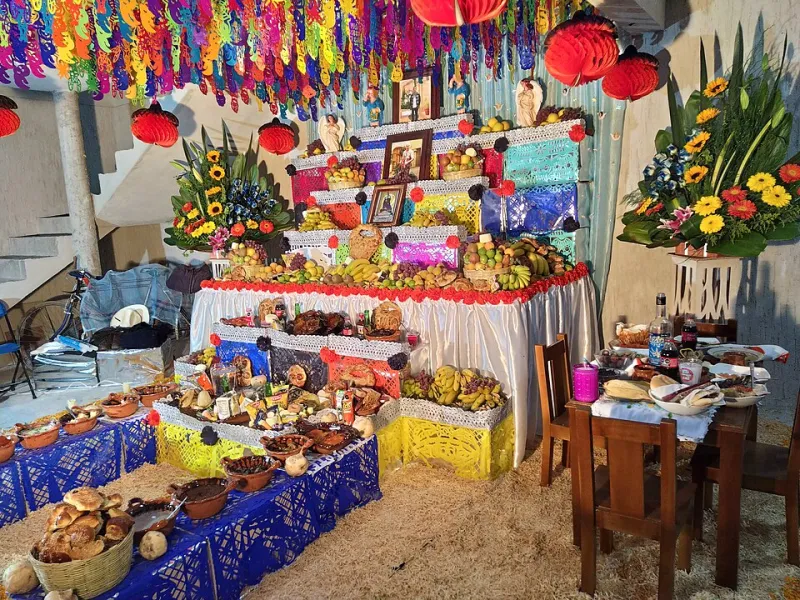
Start with photographs. A picture of the person — or people — you're honoring is the most direct anchor to their presence. In Día de Muertos tradition, the photo is central, surrounded by offerings that the deceased loved in life.
Add meaningful objects: a piece of their jewelry, a letter they wrote, a small item that was theirs. These aren't just mementos — they're portals. They carry memory in a way that lives in the body, not just the mind.
The Elements of Offering
Across traditions, offerings to ancestors tend to involve the same basic elements:
- Water — placed in a small glass or bowl, refreshed regularly. In many African diasporic traditions, water is considered the medium through which the living communicate with the dead.
- Light — a candle (white is traditional in many practices) signals that you're present and attentive.
- Food or drink — something the person loved. Coffee for your grandmother who never missed her morning cup. A shot of whiskey for an uncle who appreciated the ritual of it. This isn't superstition; it's love made physical.
- Flowers — marigolds in the Aztec tradition, because their scent is said to guide spirits home. Any flower that feels right works.
- Incense or smoke — used across virtually every tradition to carry prayers and intentions upward.
How to Actually Use It
This is where people sometimes get stuck. You've built the altar — now what?
Talk. Out loud, if you can. Tell them what's happening in your life. Ask for their perspective. Express what you never got to say. You don't have to believe in a literal afterlife for this to be profoundly healing — the act of speaking to someone you've lost accesses grief in a way that silent remembrance often doesn't.
Establish a rhythm. Morning check-ins, weekly offerings, visits on significant dates — their birthday, the anniversary of their death, holidays they loved. Consistency builds relationship, and relationship builds healing.
One Last Thing
If you're worried this feels weird or culturally out of bounds, take a breath. Honoring your dead is not the exclusive property of any one tradition. It is, arguably, one of the most human things you can do. You are not appropriating — you are remembering. And in a culture that has forgotten how to do that, the act of building a small, candlelit space to say I still love you, I still carry you might be the most radical wellness practice available to you right now.