7 Sacred Bathing Traditions That Actually Transform You — Plus How to Build Your Own
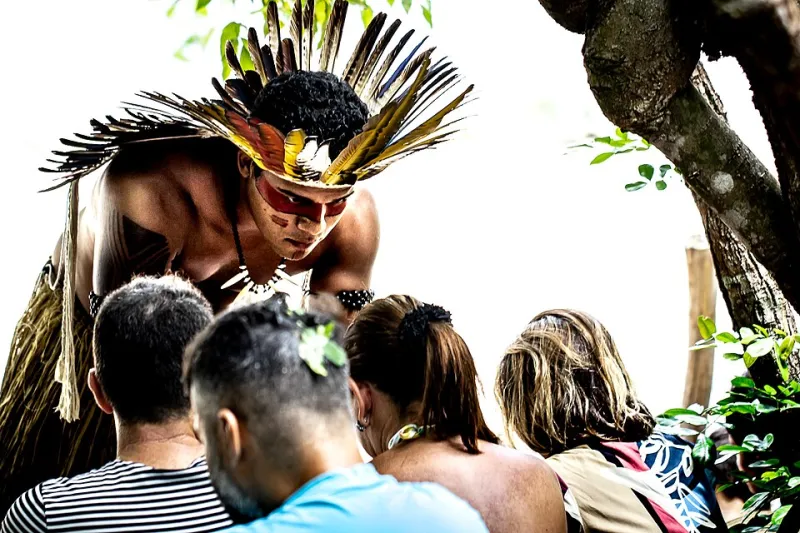
Photo: Marcio21Souza, CC BY-SA 4.0, via Wikimedia Commons
Somewhere between the bath bomb Instagram aesthetic and the "treat yourself" culture, something got lost. Ritual bathing — real ritual bathing — isn't about luxury. It's about using water as a threshold. A crossing over. Cultures across every continent developed bathing ceremonies not because they wanted to smell nice, but because they understood that water has the capacity to carry things away, to reset the body's energetic field, to mark transitions that matter.
If your current bath routine feels like a pleasant but ultimately forgettable hour, this is for you.
1. Japanese Misogi — Purification Under Moving Water
In Shinto tradition, misogi involves standing beneath a waterfall or pouring cold water over the body as an act of spiritual purification. It's practiced by Shinto priests before sacred ceremonies, and by everyday people seeking to clear accumulated spiritual heaviness — what the Japanese call kegare, a kind of pollution that builds up through stress, grief, or exposure to illness and death.
The cold is the point. It shocks the system into presence, forces the breath to engage, and signals the nervous system to reset. Modern practitioners in the US who've incorporated cold exposure (think: cold plunge culture) are tapping into a version of this, even if they don't name it. The difference is intention. Misogi is performed with prayer, with awareness of what you're releasing, and with gratitude for the water itself.
What to borrow: End your shower with 60 seconds of cold water. Breathe through it deliberately. Name — silently or aloud — what you're washing away.
2. Ayurvedic Abhyanga — Oil Before Water
In Ayurveda, the ancient Indian system of medicine, the bath doesn't start in the tub. It starts with abhyanga — a warm oil self-massage performed before bathing that's considered one of the most nourishing practices a person can do for their nervous system. Sesame oil for Vata types, coconut for Pitta, lighter oils like sunflower for Kapha.
The idea is that the skin is a gateway. Warm oil applied with long, loving strokes communicates safety to the nervous system, lubricates the joints, and draws toxins toward the surface for the subsequent bath to rinse away. Ayurvedic texts describe this practice as conferring longevity, better sleep, improved vision, and resilience against stress — claims that modern research on touch therapy and vagal nerve stimulation are beginning to substantiate.
What to borrow: Warm a few tablespoons of sesame or coconut oil and massage it into your skin before stepping into a warm bath or shower. Give yourself at least five minutes. It changes everything.
3. Temazcal — The Mesoamerican Sweat Lodge
The temazcal is a dome-shaped sweat lodge used by Indigenous communities throughout Mexico and Central America for healing, ceremony, and rites of passage. Volcanic stones are heated and placed in the center; water infused with medicinal herbs — copal, eucalyptus, rosemary, rue — is poured over them to create steam. A ceremony leader guides participants through prayers, songs, and breathwork as the heat builds.
The temazcal is considered a womb — a return to the mother, a rebirth. People emerge having sweat out both physical toxins and emotional weight. It's used to support recovery from illness, to mark major life transitions, and to treat what we might now call trauma responses.
Authentic temazcal experiences are available across the American Southwest and through Mexican cultural centers. If you can access one led by a traditional practitioner, it's worth seeking out.
What to borrow: Add fresh eucalyptus and rosemary to your shower or bath. Set a clear intention before entering. Visualize the steam carrying something heavy out of your body.
4. West African and Diaspora Spiritual Baths (Baños)
Across West African spiritual traditions — and their diaspora expressions in Candomblé, Santería, and Hoodoo — herbal spiritual baths are a cornerstone of healing work. Called baños in many Latinx traditions, these baths are prepared with specific plants, flowers, and prayers aligned with a particular healing intention.
Florida Water (a cologne-based spiritual cleanser widely available in botanicas across the US) is one of the most accessible tools from this tradition. Rue, basil, white roses, and hyssop are among the plants commonly used for cleansing negativity and inviting protection. The bath isn't just physical — it's directed at the ori, the spiritual essence of the person.
What to borrow: Brew a strong tea from fresh basil or hyssop, let it cool, and add it to your bathwater along with white flower petals. Speak your intention into the water before you enter.
5. Finnish Sauna — Community, Heat, and Birch
The Finnish sauna is sacred in a way that's hard to overstate — Finland has more saunas than cars, and the practice is UNESCO-recognized as cultural heritage. Traditionally, saunas were where babies were born, where the sick were healed, and where the dead were prepared for burial. It was the most sacred space in the home.
The ritual involves alternating cycles of intense heat with cold plunging or rolling in snow, and the use of a vihta — a bundle of fresh birch branches used to gently beat the skin, stimulating circulation and releasing aromatic oils that open the airways. The sauna is never rushed.
What to borrow: If you have gym access to a sauna, treat it as ceremony rather than a quick sweat. Alternate heat with a cold shower. Bring a eucalyptus bundle if allowed. Go with someone you trust and leave the phones outside.
6. Hammam — The North African and Middle Eastern Ritual Bath
The hammam, or Turkish bath, is a communal bathing ritual with roots in Roman bathing culture, refined through Islamic cleanliness traditions into something profoundly social and spiritual. The sequence moves through rooms of increasing heat, culminating in a vigorous scrub with a kessa mitt that removes layers of dead skin — a literal and symbolic shedding.
Hammams have historically been spaces where people of all classes could gather, where community bonds were strengthened, and where the body was treated as worthy of real care. In cities like New York, Chicago, and Los Angeles, authentic hammam experiences are increasingly available.
What to borrow: Invest in a kessa mitt (available online for under $10) and use it in a warm bath after soaking for at least ten minutes. The amount of skin that releases is humbling — and oddly liberating.
7. Native American Sweat Lodge (Inipi)
For Lakota and many other Native nations, the inipi (sweat lodge ceremony) is one of the most sacred healing practices, used for prayer, purification, and community healing. Led by a trained ceremony keeper, it involves rounds of intense heat, prayer, and song inside a willow-frame lodge covered with blankets.
It's important to name clearly: this ceremony belongs to specific Indigenous nations and should not be replicated or commercialized. What it offers non-Native people is a reminder — that heat, darkness, community, and prayer are a technology of healing that predates every wellness trend by thousands of years.
Building Your Own Ritual Bath
You don't need to appropriate any single tradition to create a bathing practice that's genuinely transformative. Here's a simple framework:
Set an intention. What are you releasing? What are you calling in? Write it down before you begin.
Prepare your water with purpose. Choose herbs, salts, or oils that align with your intention — lavender for calm, rosemary for clarity, rose for self-compassion, Epsom salts for physical release.
Create a threshold. Light a candle, play specific music, or simply pause at the bathroom door and take three conscious breaths. The ritual begins before the water does.
Be present in the water. No podcasts, no scrolling. This is the hard part for most Americans. Even ten minutes of intentional silence in warm water is more restorative than an hour of distracted soaking.
Close the ritual. Drain the water consciously. As it goes, let it take what you named at the start. Pat dry slowly. Apply oil or lotion as an act of care, not efficiency.
Water has always been the great transformer. Every tradition in human history knew it. The only question is whether you're willing to step in with intention — or just go through the motions on autopilot.
The bath is waiting. Make it mean something.