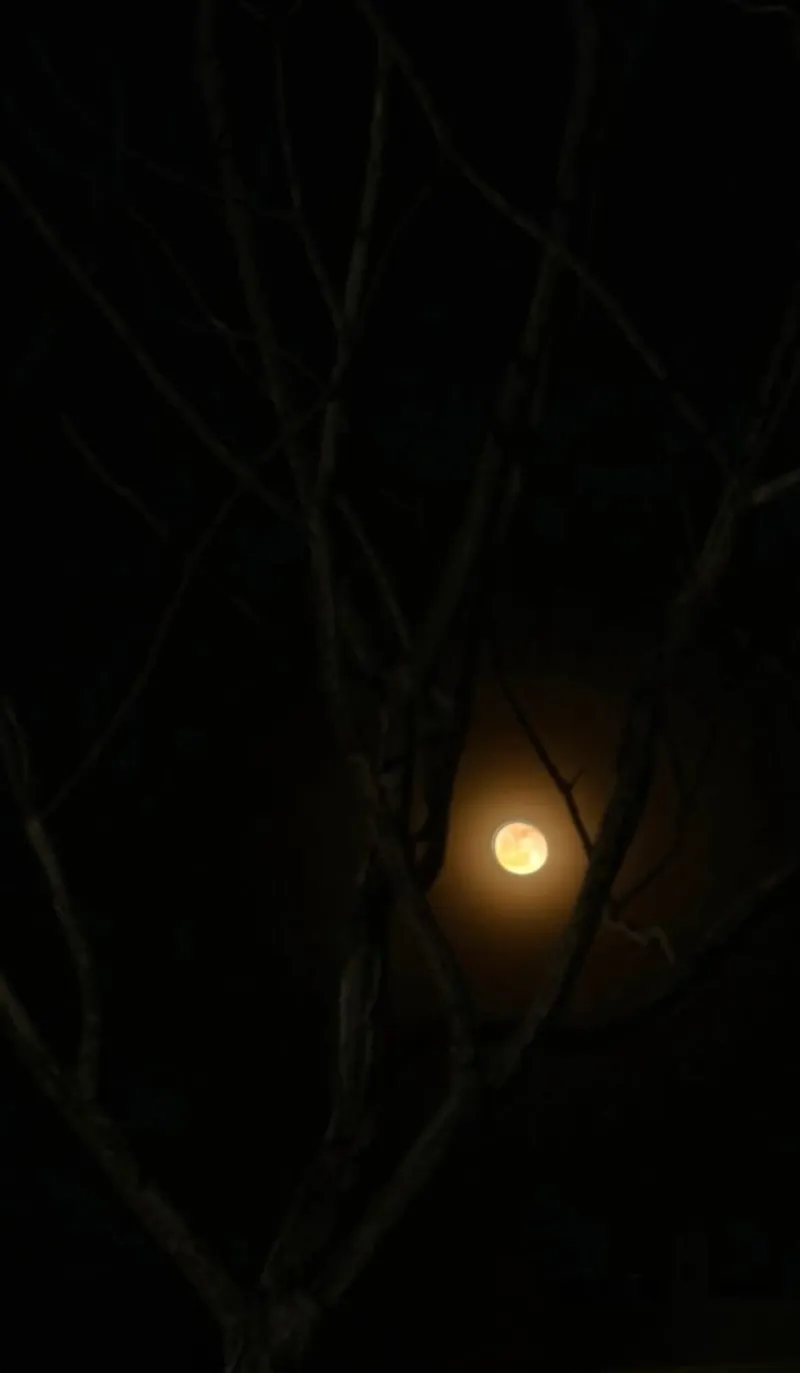
Your Sleep Is Out of Sync — The Moon Might Be Why

Photo by Photo by Michael Pfister on Unsplash on Unsplash
Most sleep advice sounds the same: cut the caffeine, ditch your phone, keep your room cool. And sure, that stuff matters. But there's a layer of sleep science that mainstream wellness has almost completely ignored — one that your great-great-grandmother probably understood intuitively. The moon has been quietly shaping human sleep patterns for millennia, and if your rest feels off, there's a real chance your rhythm is out of step with the oldest clock on earth.
Welcome to lunar sleep wisdom. It's older than melatonin supplements, older than sleep trackers, and honestly? It might be the missing piece.
What Ancient Cultures Knew That We've Forgotten
Across traditional societies — from Indigenous communities in the American Southwest to Ayurvedic practitioners in South Asia to the farmers of rural China — sleep wasn't treated as a fixed, one-size-fits-all habit. It shifted with the moon. Planting calendars, healing ceremonies, fasting practices, and yes, sleep schedules were all calibrated to the lunar cycle.
The logic wasn't mystical for its own sake. Before artificial lighting, moonlight was a real, significant source of nighttime illumination. A full moon flooding through an open window or a thatched roof genuinely changed how much light a sleeping person was exposed to. And as it turns out, that matters enormously at the biological level.
The Science: Moonlight, Melatonin, and Your Brain
Here's where things get interesting for the skeptics in the room. A landmark study published in Current Biology tracked the sleep patterns of participants across multiple lunar phases — and found measurable differences. Around the full moon, people took longer to fall asleep, slept for shorter durations, and showed reduced deep sleep, even when they were in controlled indoor environments without windows.
The leading explanation? Melatonin suppression. Your brain's pineal gland releases melatonin in response to darkness, and it's exquisitely sensitive to light — including the ambient, diffuse quality of full moonlight. Even low-level light exposure in the blue-green spectrum (which moonlight carries) can delay melatonin onset. Add in the gravitational pull that affects fluid dynamics in the body, and you've got a genuine physiological phenomenon, not just folklore.
Near the new moon, by contrast, nights are darker. Melatonin flows more freely. Sleep tends to come easier and run deeper.
The Four Phases and What They Mean for Your Rest
Thinking about sleep through a lunar lens doesn't require overhauling your entire life. It's more about working with the natural ebb and flow rather than white-knuckling the same routine every night of the month.
New Moon — Lean Into Deep Rest This is your prime window for the most restorative sleep of the month. The sky is dark, melatonin is less suppressed, and traditional cultures often treated the new moon as a time of inward retreat. Try going to bed 30 to 60 minutes earlier than usual. Skip the late-night scrolling. This is the lunar phase where sleep debt gets repaid.
Waxing Moon — Wind Down Intentionally As the moon grows brighter night by night, start building in more deliberate wind-down rituals. This is a good time to introduce a consistent pre-sleep practice — a short meditation, journaling, or a cup of ashwagandha or passionflower tea. You're essentially training your nervous system to recognize the transition into rest.
Full Moon — Protect Your Sleep Environment This is the phase where most people feel the disruption most acutely, even if they can't name why. Practical moves that genuinely help: blackout curtains or a quality sleep mask, keeping your phone in another room, and avoiding stimulating content or conversations in the two hours before bed. Some practitioners also recommend grounding practices — bare feet on grass, a short walk, or a warm foot soak — to discharge the heightened, electric energy that many people report feeling around the full moon.
Waning Moon — Reflect and Release As the moon diminishes, this is a natural time to let go of anything that's been keeping you mentally wired. Sleep rituals rooted in release work well here: writing down worries before bed, doing a gentle body scan meditation, or simply spending a few quiet minutes in gratitude. The nervous system responds well to this kind of intentional closure.
Practical Adjustments for Your Modern American Bedroom
Let's get specific, because theory without application doesn't help anyone sleep better.
- Track the lunar calendar. Apps like Moon Phase or The Moon make it easy to know where you are in the cycle. Even just glancing at it a few times a week starts to build awareness.
- Adjust your lighting. During the waxing and full moon phases, switch to warm amber or red-spectrum bulbs in your bedroom in the evening. These wavelengths have the least impact on melatonin production.
- Respect the new moon. Treat it like a monthly sleep reset. Cancel the late-night plans, skip the second glass of wine, and actually prioritize an early bedtime.
- Build phase-appropriate rituals. A full moon bath with magnesium salts and lavender is a very different ritual than a new moon meditation with silence and darkness — and both serve real physiological purposes, not just aesthetic ones.
This Isn't About Being Precious About the Moon
Look, nobody's saying you need to rearrange your entire social calendar around lunar phases or light candles every night (though candles are great, honestly). The point is smaller than that. Our bodies evolved over hundreds of thousands of years in relationship with the natural light cycle of the moon. The last hundred years of electric lighting, blackout schedules, and 24/7 stimulation have severed that relationship almost entirely — and our collective sleep crisis reflects that disconnect.
Reconnecting doesn't require perfection. It requires a little curiosity, a little willingness to experiment, and maybe a glance up at the sky before bed.
The moon has been keeping time longer than any alarm clock. It might be worth listening to it again.